The first few months of life are a critical period of growth, development, and bonding for newborns and their families. However, for Black babies and their families, this period can be fraught with unique challenges and disparities. Systemic racism, socioeconomic factors, and inadequate access to healthcare can all impact the health and well-being of Black babies. Postnatal support for Black babies and their families address these disparities.
The Alarming Reality:
Black infants are disproportionately affected by poor birth outcomes, including higher rates of:
Infant mortality (2.3 times higher than white infants)
Low birth weight (1.5 times higher than white infants)
Premature birth (1.5 times higher than white infants)
These disparities are not solely the result of individual choices or behaviors, but rather are influenced by systemic factors such as:
Limited access to prenatal and postnatal care
Racial bias in healthcare provider decision-making
Socioeconomic stressors, including poverty and housing insecurity
The Importance of Postnatal Support:
Postnatal support is critical for ensuring the health and well-being of newborns and their families. This support can include:
Home visiting programs, which provide regular check-ins and support for new parents
Breastfeeding support and education
Access to mental health services, including counseling and therapy
Connection to community resources, such as food banks and parenting support groups
For Black families, postnatal support can be particularly vital in addressing the unique challenges they face. By providing targeted support and resources, we can help mitigate the effects of systemic racism and promote better health outcomes for Black babies.
Addressing Disparities:
To address the disparities in postnatal support for Black babies and their families, we must take a multifaceted approach. This includes:
Increasing funding for programs that provide targeted support to Black families, such as home visiting programs and breastfeeding support services
Providing cultural competency training for healthcare providers, to address implicit bias and ensure that care is tailored to the unique needs of Black families
Promoting community-based initiatives, such as peer support groups and parenting classes, to provide connection and support for Black families
Conclusion:
The first few months of life are a critical period of growth and development for newborns and their families. For Black babies and their families, this period can be marked by unique challenges and disparities. By providing targeted postnatal support and addressing systemic disparities, we can promote better health outcomes for Black babies and support the well-being of their families. It’s time for us to cradle life and ensure that all families have the support they need to thrive.
I read a few articles and had spellcheck jazz it up.
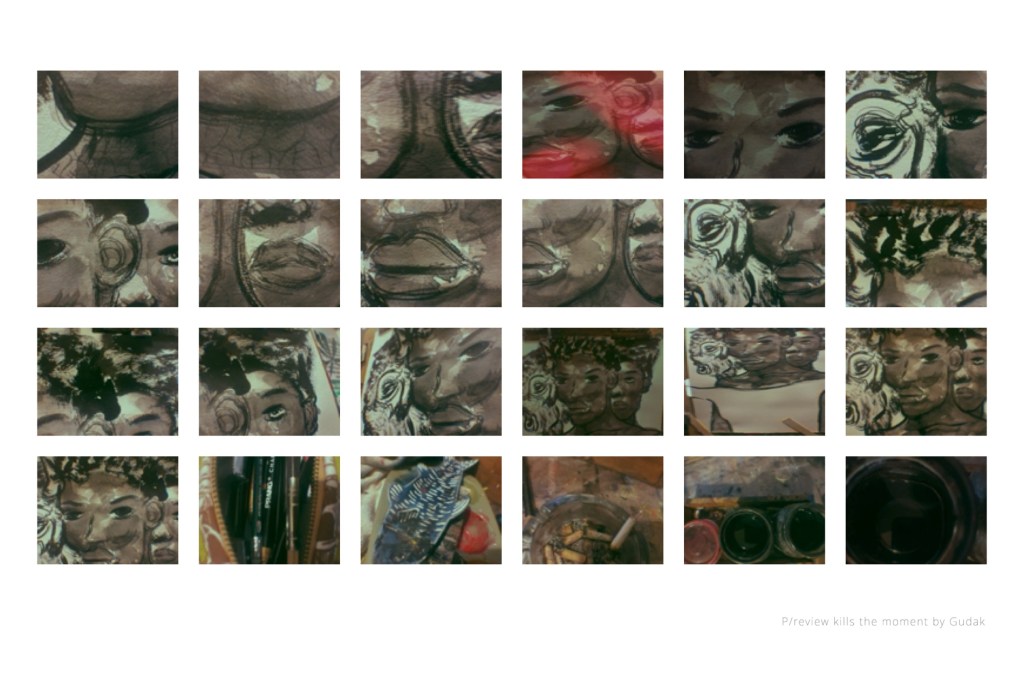
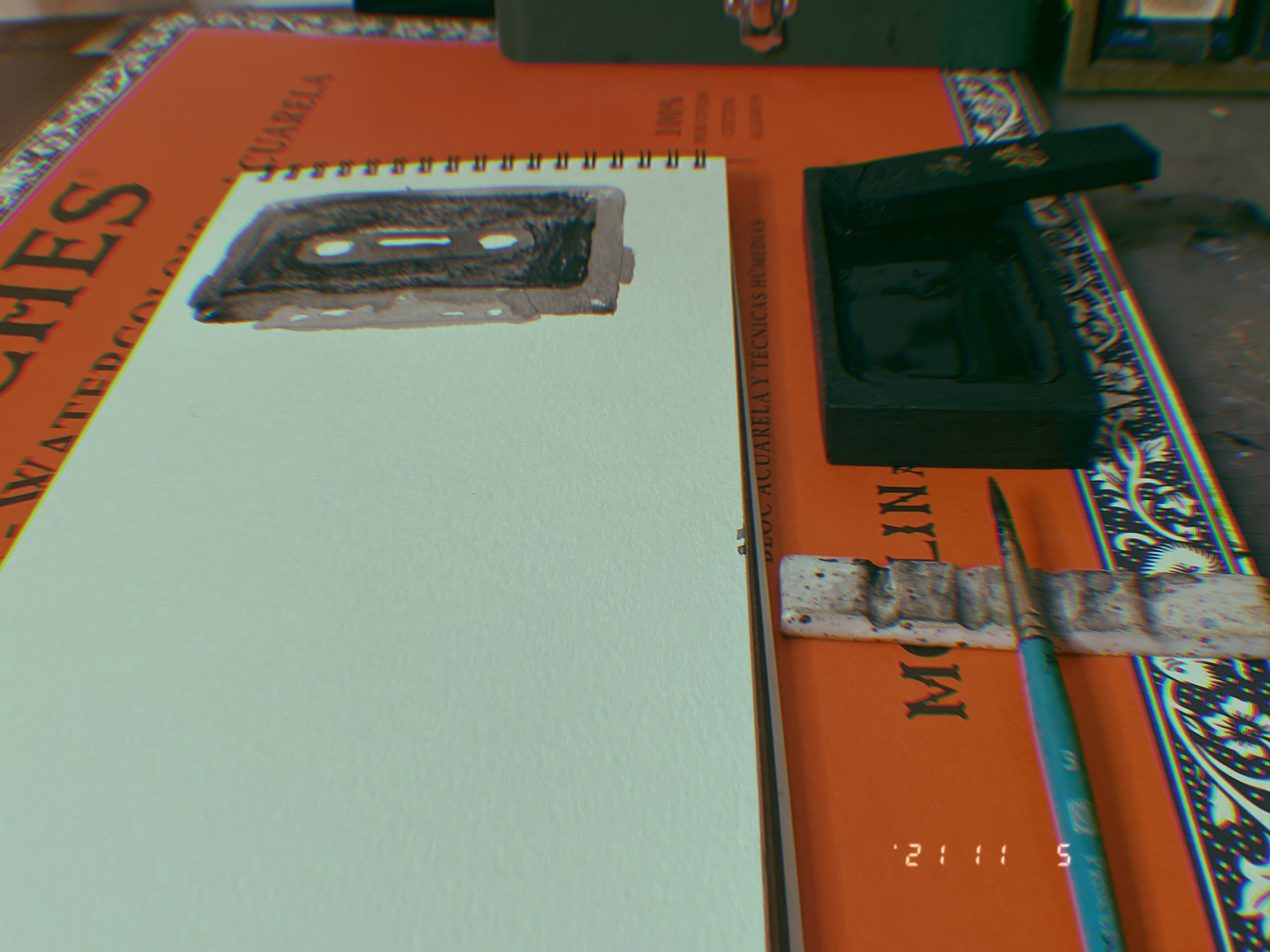
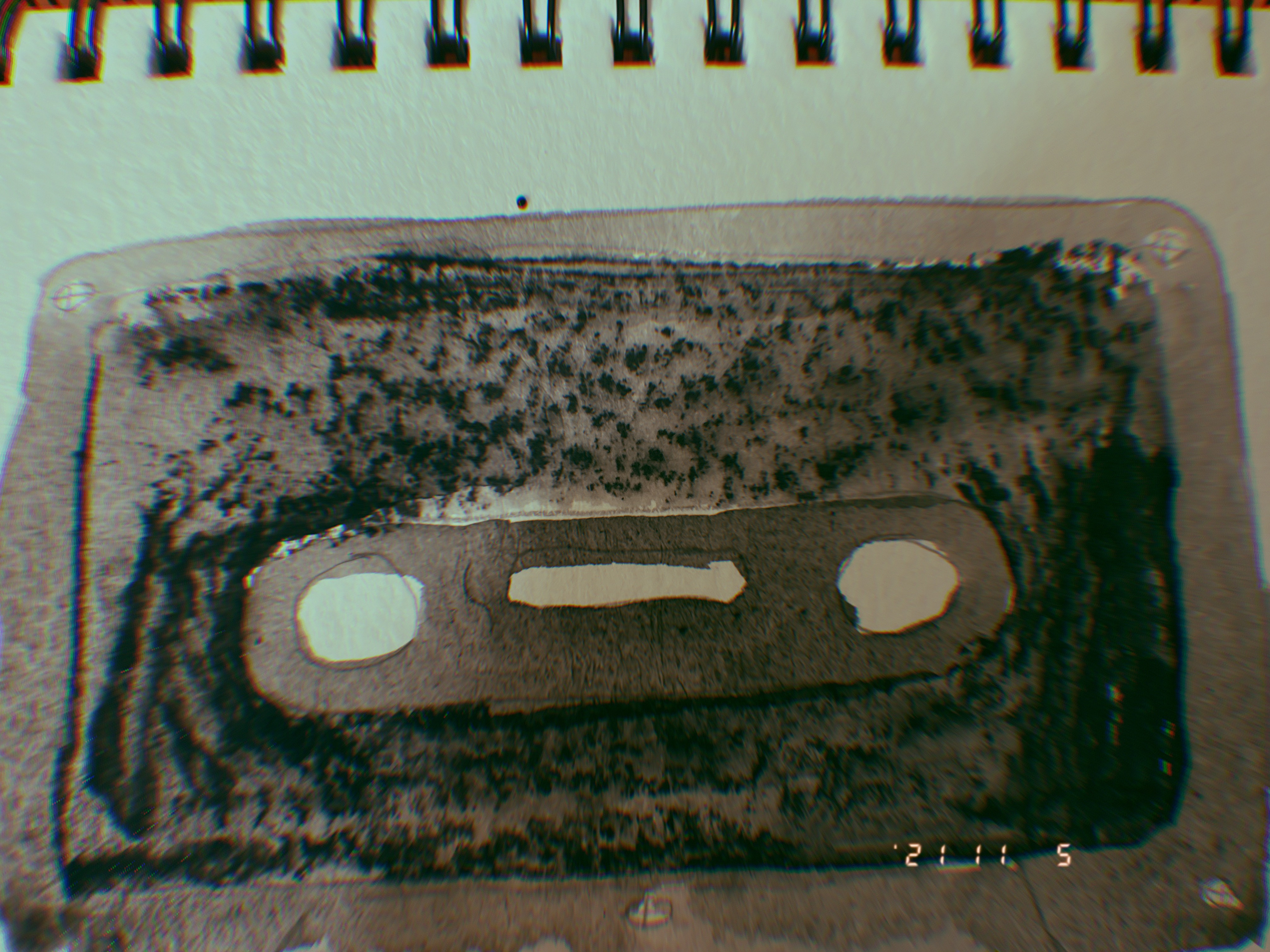
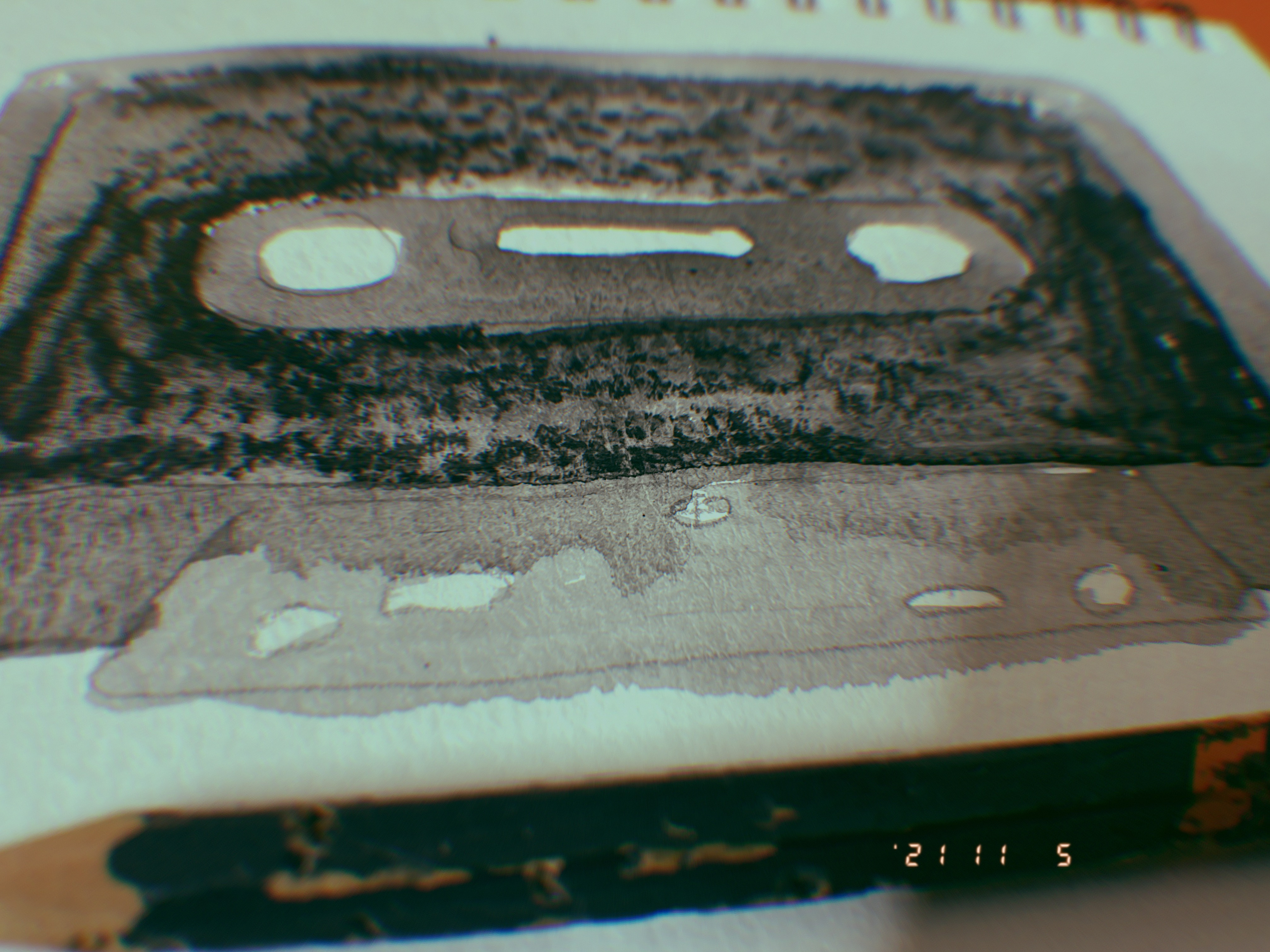
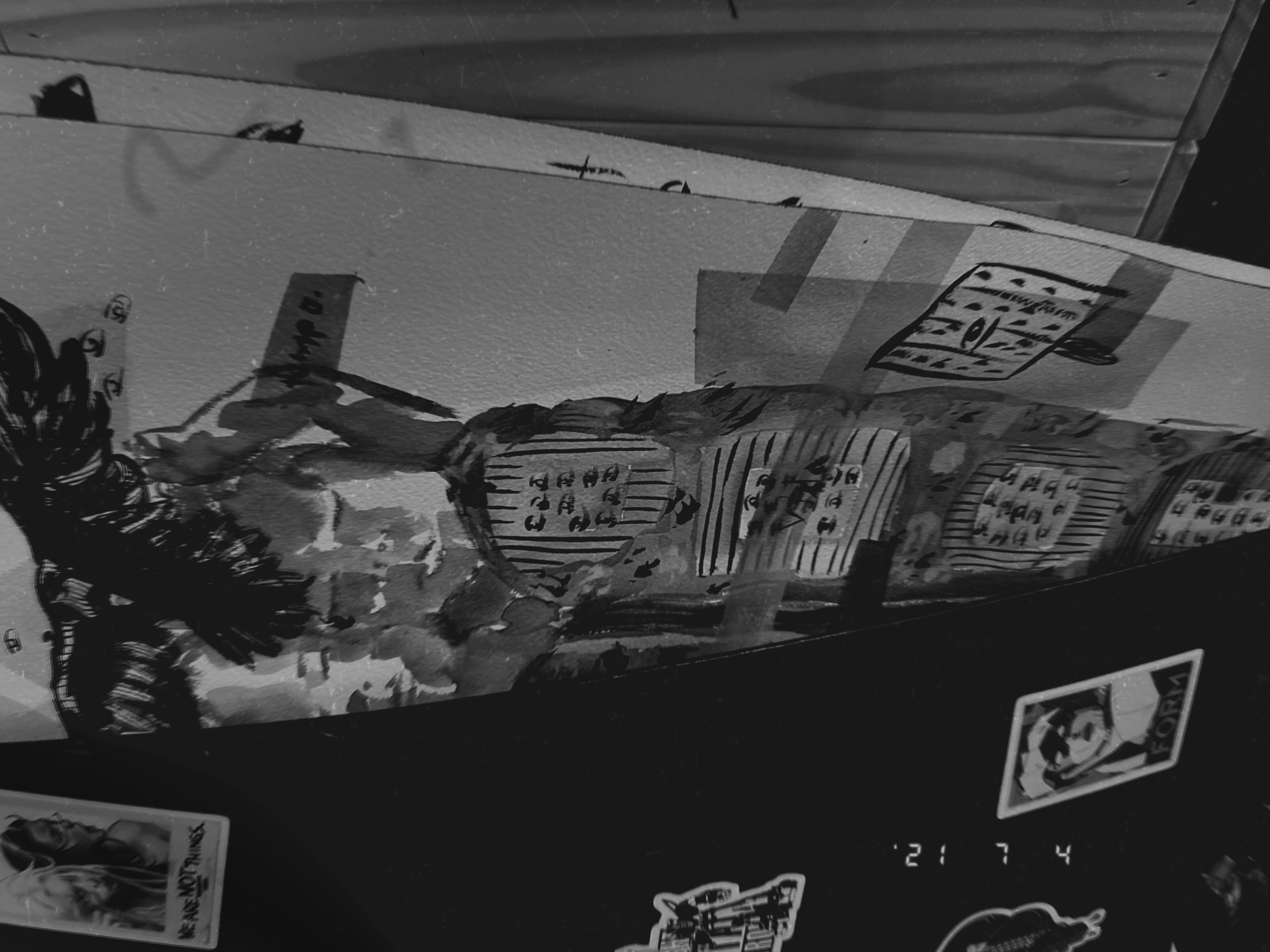
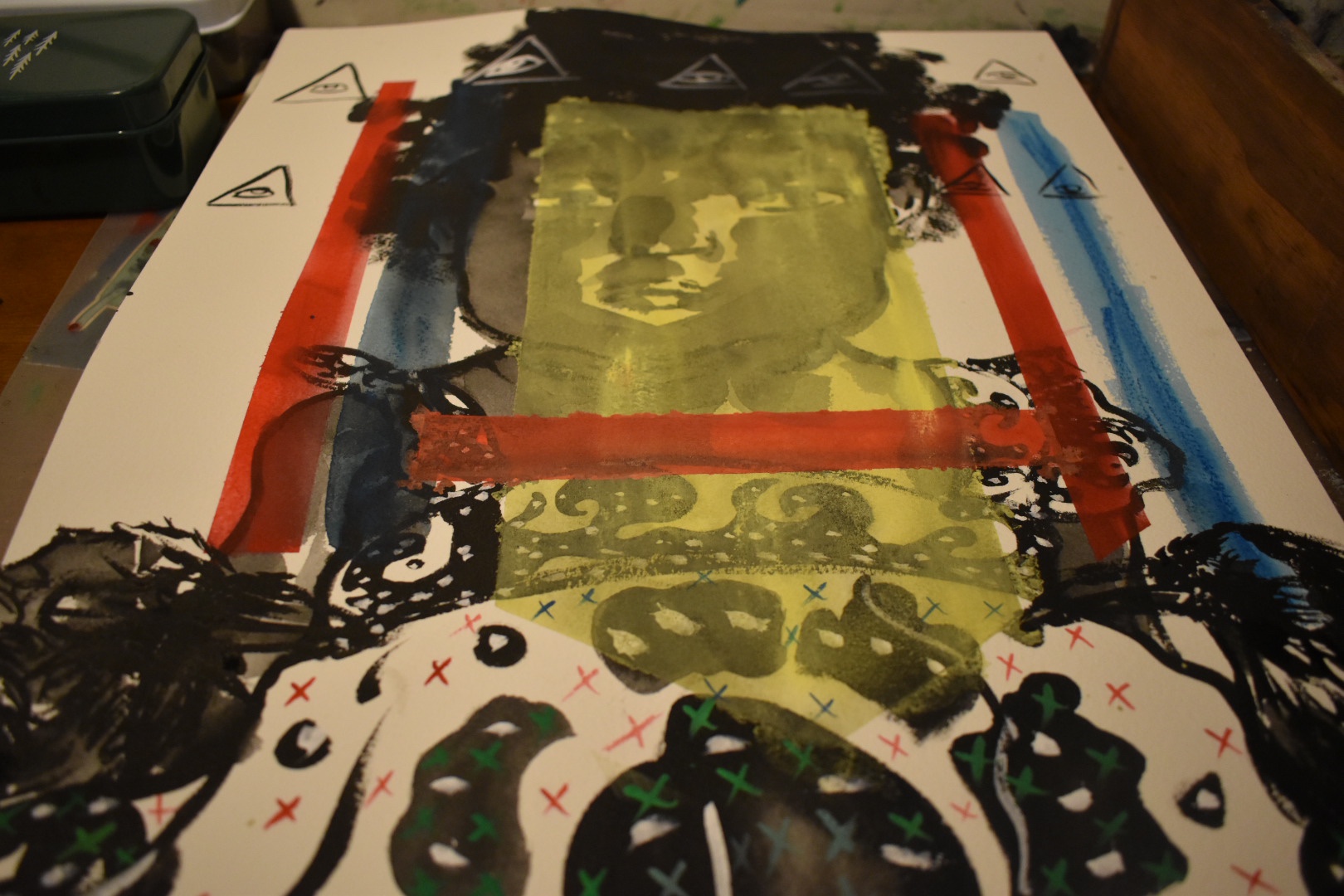
The point of this painting for me is that I want to see the next generations enjoy my art of themselves. Something has to give.
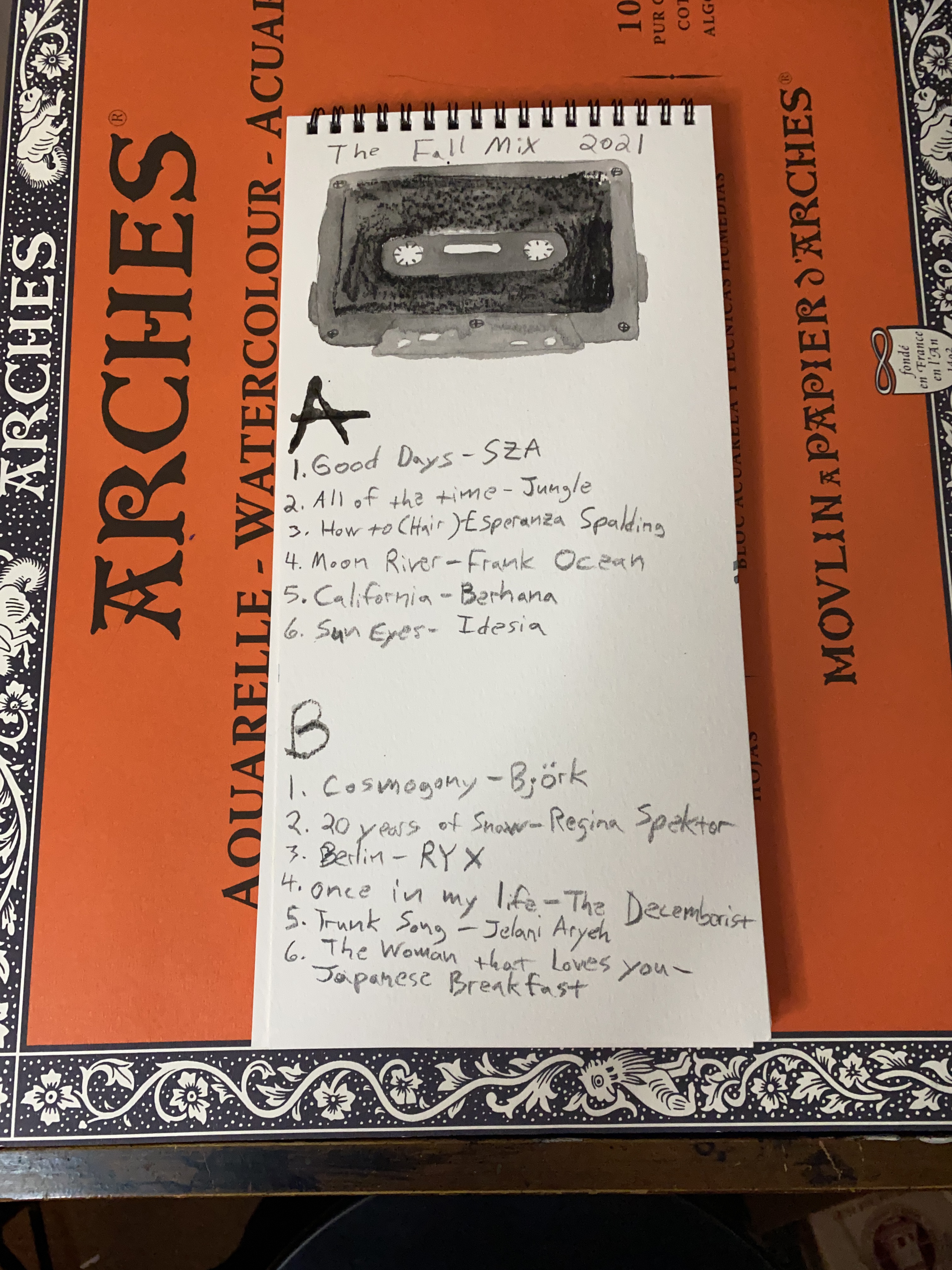
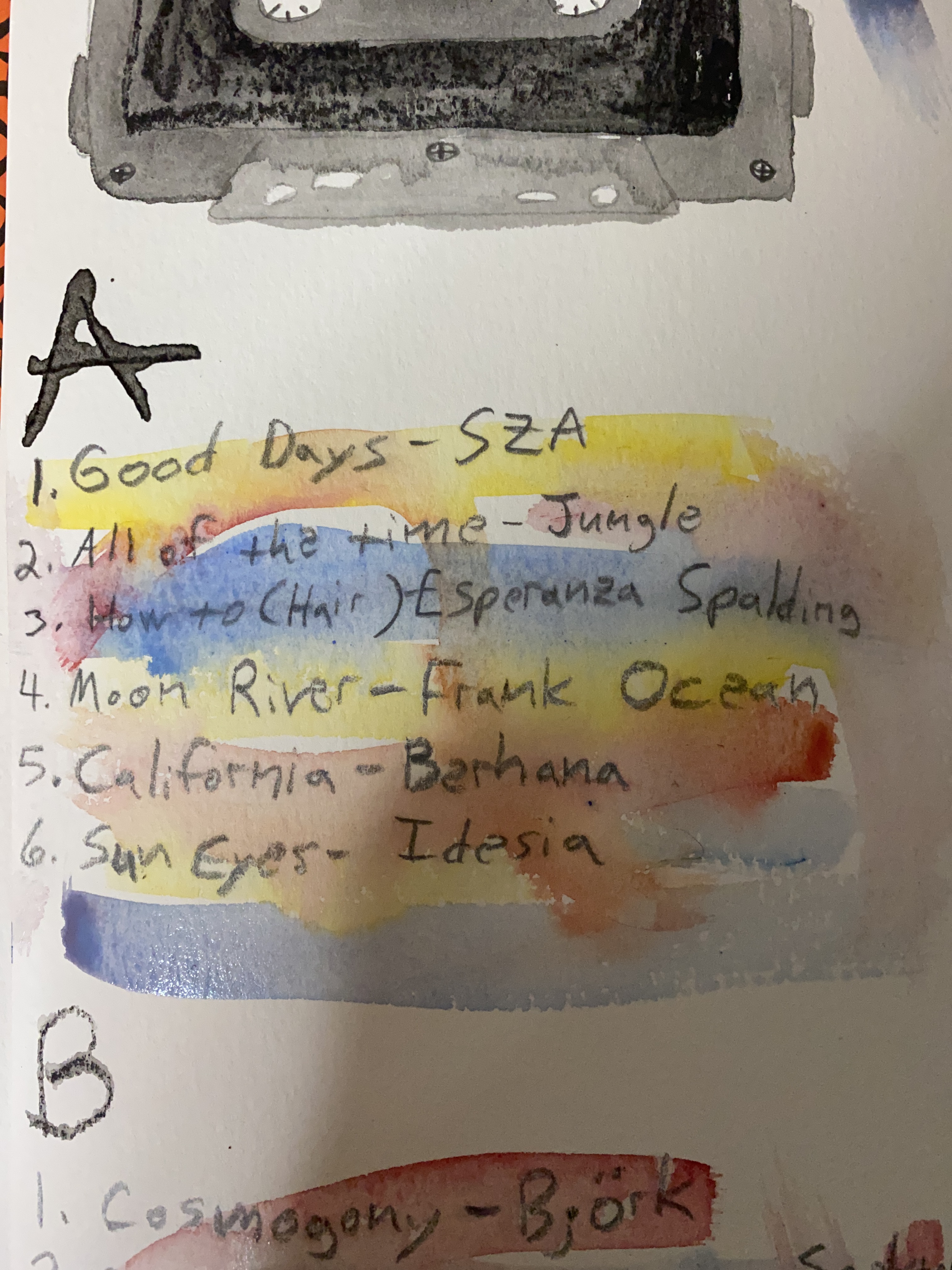
Very long time ago my friends just to make mistakes and stuck with me. I really love how these turn out. I hope as you go through this songs it inspires you to dance in the moonlight with a mug of ice cream.
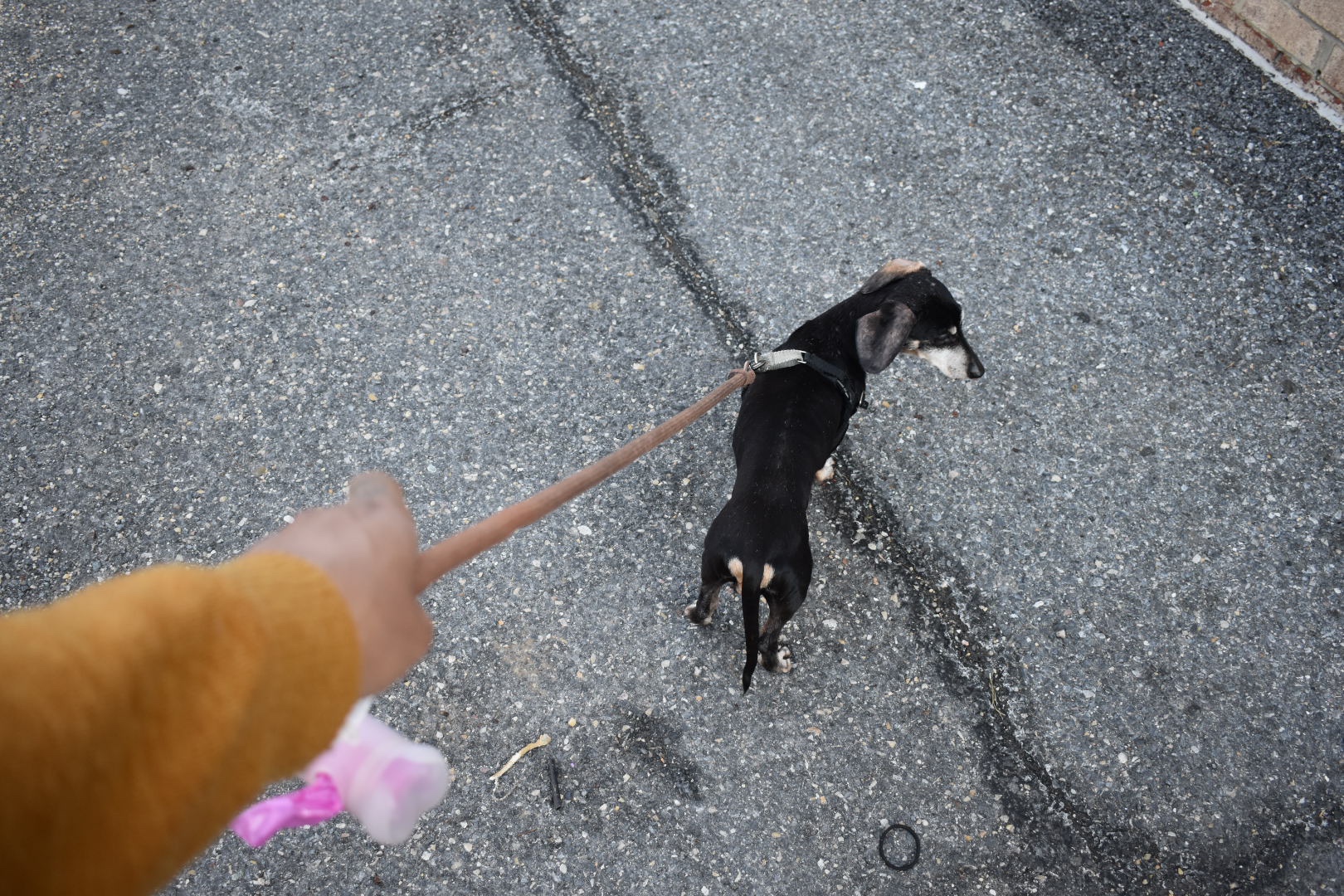
I keep overthinking our choice about our dog. If I had millions of dollars, what could I have done different and then I see the last photo and realize, nothing. I could have done nothing. She was 15 and sick and I loved her so much I did the best I could.
There is a time in my life where all I could see was where it’s gone and not where I was going. It wasn’t that I was blind so much. I was just so busy reliving those moments over and over and over again in my soul that I couldn’t , that I couldn’t even be in the present anymore. It was heartbreaking. I’m still not really sure how I kind of ricocheted out of all these things .
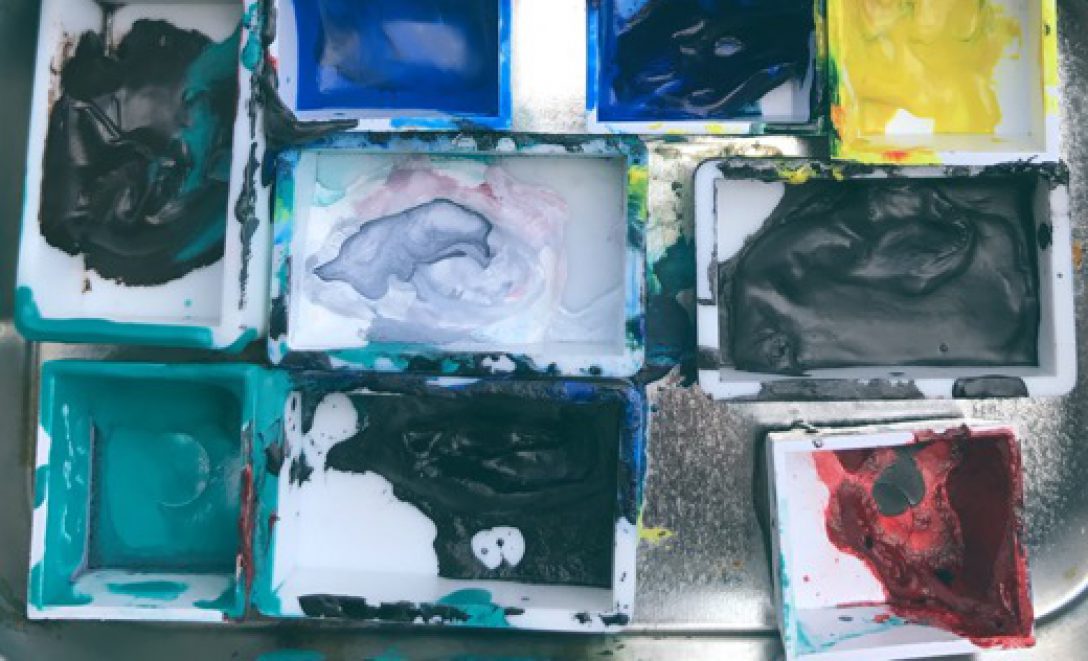
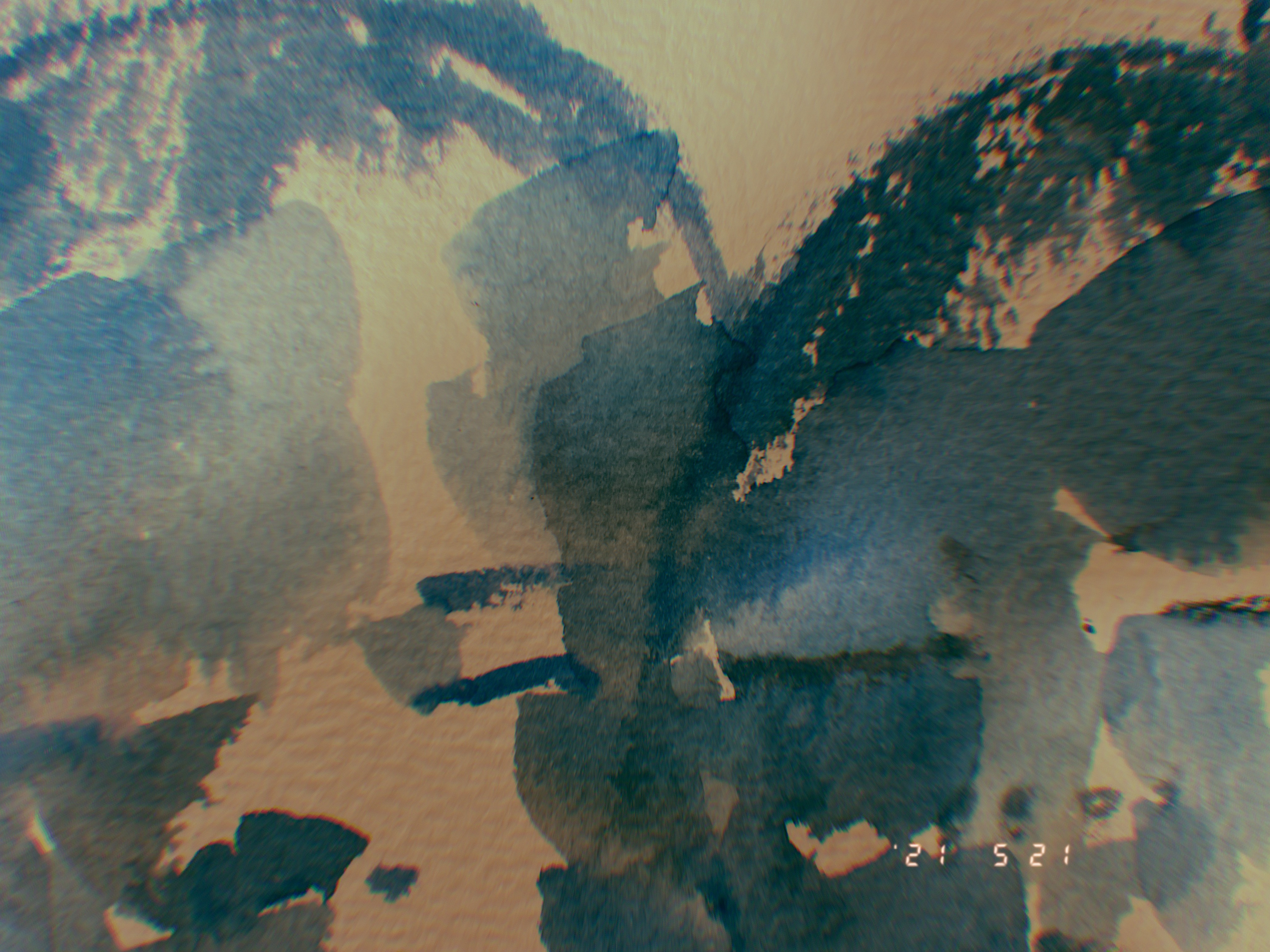
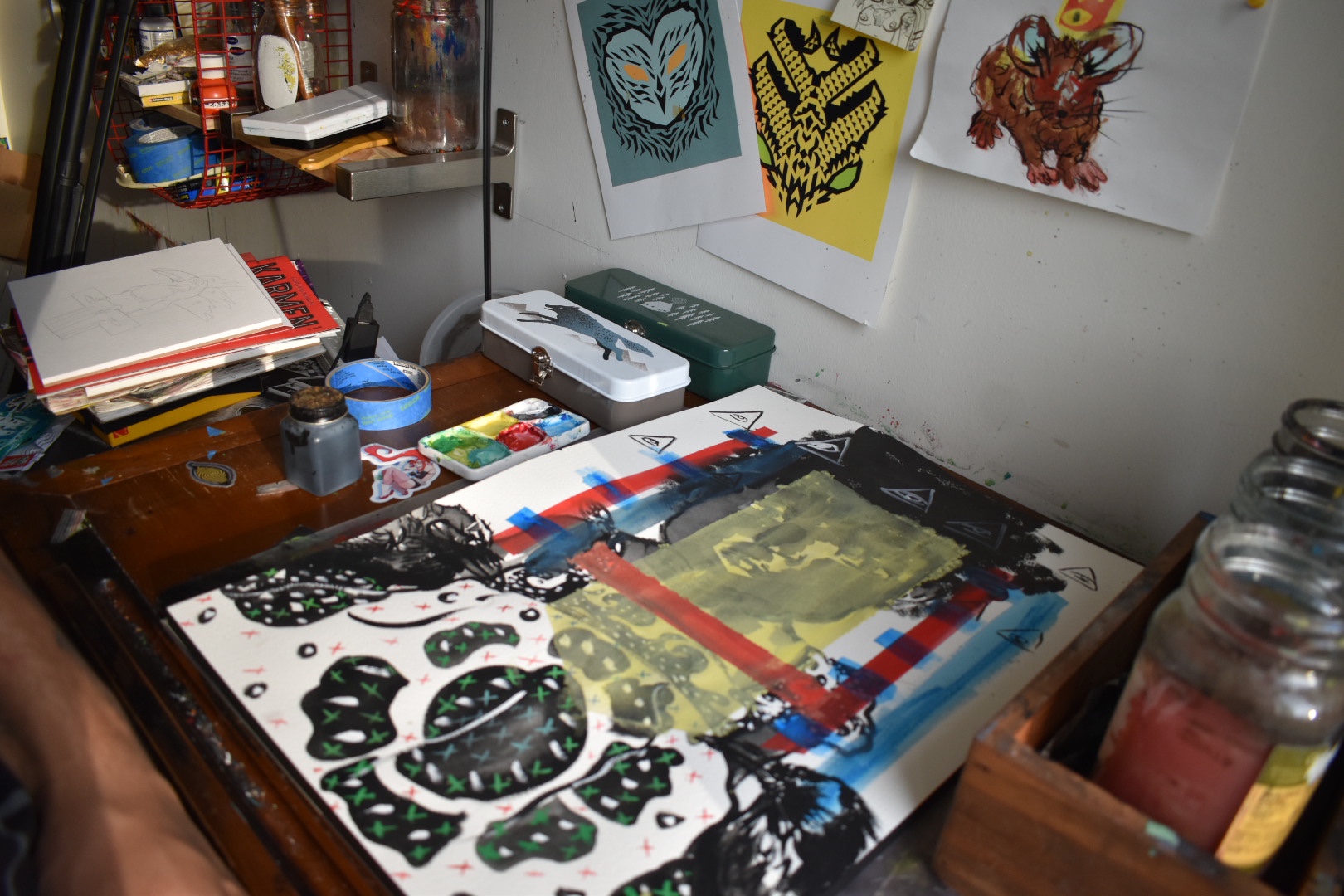
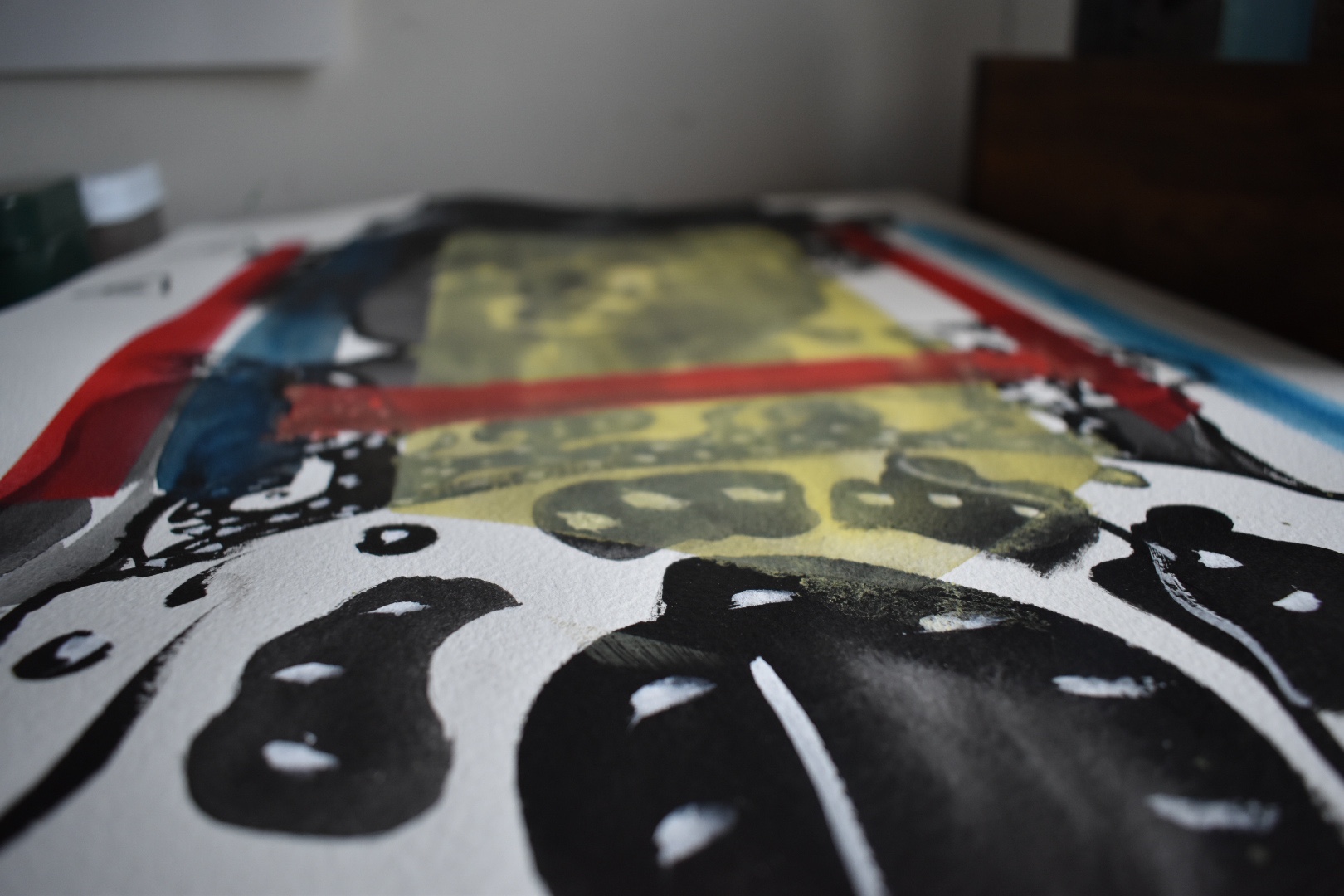
I swear to you, I know the reds, blues and yellows, they saved me. Made me whole again. The textures and the patterns in the patchworks moved the stars for me.














































 jaws_blake